The Power of Play: How Benjamin Preparatory School Incorporates Fun into Learning

A play based preschool is an early learning program where children learn mainly through hands on play, like building, pretending, painting, singing and exploring, with teachers guiding the play toward real skills. And yes, learning through play works. The American Academy of Pediatrics says research shows play can improve children's abilities to plan, organize, get along with others and regulate emotions.

That doesn't mean kids just run wild all day. A good play based classroom is carefully set up, and teachers are busy the whole time asking questions, adding new ideas and noticing what each child is ready for next.

performingarts1.jpg

What is play based learning?

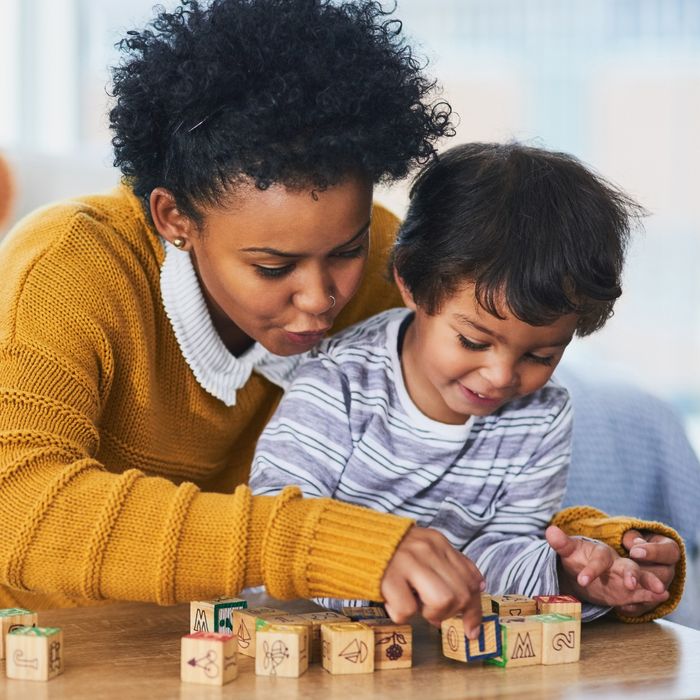
Play based learning is an approach where children build skills through activities they choose and enjoy, while adults shape the setting and guide the learning. A child building a block tower is practicing balance, counting and planning. A child running a pretend grocery store is practicing words, numbers and taking turns.

The play is real play. The learning is real learning. The teacher's job is to connect the two.

What does learning through play look like in a classroom?

You'll usually see centers or areas for blocks, art, books, dramatic play, music and sensory materials like sand or water. Children move between them, often in small groups. Teachers join in, ask open questions ("How could we make it taller?") and add new materials when interest fades. There's still a schedule, with circle time, snack, outdoor play and rest.

M39043-2.jpg

Play based vs academic preschool: what's the difference?

The main difference is how children learn, not whether they learn. Academic preschools (sometimes called direct instruction preschools) lean on teacher led lessons and practice. Play based preschools lean on child led exploration with teacher guidance.

Feature Play based preschool Academic preschool
How lessons happen Through hands on play and projects Through teacher led lessons and practice
Who leads Child chooses, teacher guides Teacher directs
Early reading and math Built into games, songs and stories Taught directly, often with worksheets
Pace Follows each child's interest and readiness Follows a set lesson plan
Strengths Curiosity, social skills, self control, creativity Clear skill practice, easy to track progress
Possible drawback Progress can be harder for parents to see Less time for free play and exploration

Is play based or academic preschool better?

For most 3 and 4 year olds, a strong play based program with clear learning goals is a great fit. The AAP recommends that child care and preschools include unstructured playtime and playful learning alongside structured lessons, and it encourages parents to choose programs with playful learning. You can read the full guidance in the AAP's article on the power of play.

Here's the honest part. It isn't a strict either or choice. Many preschools blend both, with playful centers most of the day plus short, teacher led times for letters, numbers or music. Some children also thrive with a bit more structure. The best fit depends on your child and on how well the school actually runs its approach, not on the label.

parent powerhouseee.jpg

What are the benefits of play based learning?

Play based learning builds the skills kids need to succeed in school and with people, not just the facts. Based on the AAP's guidance, play supports:

  • Executive function: Planning, organizing and regulating emotions.

  • Language and math: The AAP links play to stronger language, math and social skills.

  • Social skills and empathy: Pretend play lets children try out different roles and learn to cooperate.

  • Physical growth: Active and outdoor play builds motor skills, balance and attention.

Play also helps with stress. The AAP describes a study in which anxious 3 and 4 year olds starting preschool were about twice as likely to feel less stressed after 15 minutes of play than classmates who listened to a story.

Why does play help children learn?

Because kids care about what they're doing. When a child wants the tower to stand, they'll try again and again, adjusting as they go. That's persistence, problem solving and early engineering in one moment, and it sticks better than a lesson they didn't ask for. Play with a caring adult also creates lots of back and forth conversation, which the Harvard Center on the Developing Child calls serve and return and says helps build the brain connections behind communication and social skills.

M39043-4.jpg

Does play based preschool prepare kids for kindergarten?

Most of the time, yes, as long as the program has clear learning goals. Kindergarten teachers often care just as much about whether a child can follow directions, manage feelings and get along with classmates as whether they can read. Play builds those skills directly. Letter sounds and counting can be woven right into games, songs and stories.

If you're comparing programs, ask each school how they track progress and how they handle early reading and math. A good play based program will have a clear answer.

How does Benjamin Preparatory School blend play with structure?

At Benjamin Prep, we blend play with structure. Our play based preschool in Atlanta gives children plenty of hands on, creative time inside a day with clear goals. Our curriculum, which the school describes as Christ centered and research driven, includes daily exposure to arts, academics, athletics and a bilingual program.

Here's where play shows up across the day:

  1. Performing arts: Children take classes in tap, ballet, inspired movement, hip hop, liturgical dance, music and Bible. Our performing arts program also puts on two original fine arts productions every year, one in spring and one in winter.

  2. Creation Station: Students experiment with science and cooking for a school run weekly cooking show, which is learning disguised as fun.

  3. World's Stage Desk: Kids explore other cultures' music, food, arts and customs.

  4. Computer lab: Children play learning games that support early skills.

  5. Daily physical activity: Every day includes time to move, which the AAP connects to motor skills, balance and attention.

Structure comes from our class levels and goals. For example, Shooting Stars (3 to 4 years) focuses on academics for a smooth move into grade school, along with foreign language, math, science, speech and dance. That's the blend: real play, real goals.

Honestly, the easiest way to judge any play based preschool is to watch a class. Schedule a tour of our Vinings campus and see how our classrooms feel.

For more on how STEAM fits with play, read our post on STEAM for preschoolers. And if you're curious about pretend play specifically, our guide to baby doll play and dramatic play covers what kids learn from it.

Frequently asked questions

What is a play based preschool?

A play based preschool is a program where children learn mostly through hands on play, like building, pretending, art and music, with teachers guiding the play toward learning goals. There's still a daily schedule. The difference is that play, not worksheets, is the main way children learn.

Is play based learning effective?

Yes. The American Academy of Pediatrics says research shows play can improve children's abilities to plan, organize, get along with others and regulate emotions, and it links play to language, math and social skills. It works best when teachers have clear goals.

What is the difference between play based and academic preschool?

Play based preschools teach through child led play with teacher guidance. Academic preschools rely more on teacher led lessons and direct practice. Many schools blend the two, mixing playful centers with short structured lessons.

Will my child learn to read in a play based preschool?

Children in a strong play based program build reading readiness through songs, stories, rhymes and letter games. Some children start reading in preschool and others in kindergarten, which is normal either way. Ask each school how it supports early literacy.

What age is best for a play based preschool?

Play based learning fits every age from infancy through the early grades, but it's most common in programs for 2 to 5 year olds. Benjamin Prep serves children from 6 weeks old through 2nd grade, with play built into every level.

Is Benjamin Preparatory School the right fit for your family?

If you want a preschool where your child dances, cooks, builds and performs while still meeting clear learning goals, Benjamin Prep's blend of play and structure may be exactly what you're looking for.

Benjamin Preparatory School is a Christian preschool and daycare in the Vinings area of Atlanta at 2445 Church Rd SE, Atlanta, GA 30339, serving children from 6 weeks old through 2nd grade. Each school day blends faith, STEAM+ academics and daily performing arts like tap, ballet, music and drama, and a whole foods menu is included. Families in Vinings, Smyrna, Cumberland, Mableton and northwest Atlanta choose Benjamin Prep so their children can grow in faith, learning and confidence in one place. Families driving in from Marietta or Kennesaw are welcome too, and a tour is the easiest way to see whether the commute and the fit work for you.

Schedule a tour of our Vinings campus, get directions, see our programs by age, or call (770) 436-5200 to talk with our team.

About the author: Dr. Verna Benjamin-Lambert

Dr. Verna R. Benjamin-Lambert, known to families as "Dr. Benji," is the founder of Benjamin Preparatory School, which she started as The Benjamin Preschool of Academic and Performing Arts in Smyrna, Georgia. She holds a doctorate in education leadership from Nova Southeastern University and is a graduate of St. Joseph's Teachers' College in Jamaica. Before founding the school, she served as an administrator in a Georgia school system, where she advocated for students who were falling behind academically.

Dr. Benji is also an author. Her book Health Intelligence: The Path to a Healthier You looks at the core issues behind childhood obesity, and her Healthy Benji children's books help young readers build healthy eating habits. One belief guides every classroom at Benjamin Prep: "Every child has a soul, and every soul has a purpose."

Meet Dr. Benji and browse her books.